
Joby Aviation ( JOBY -6.14% ) wants to save passengers time -- time on the ground, that is.
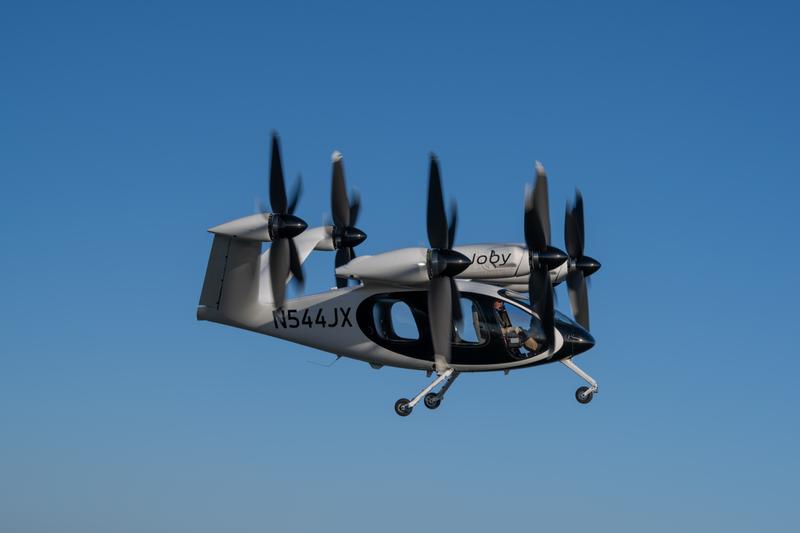
In a nutshell, Joby is designing an electric vertical takeoff and landing (eVTOL) aircraft, which aims to turn an hour-long slog on a congested route into a 10-minute hop in the air -- all while offering vistas of the city from above. To get there, however, Joby needs regulatory approval, a fleet of safe, operational aircraft, vertiport infrastructure, and customers lining up to make the service profitable.
Speaking of profits, Joby has none, and cash burn is an issue any investor should consider. At the same time, it has an existing passenger business, Blade, whose demand is quickly outgrowing available aircraft. That business is showing promising signs -- perhaps strong enough to make this stock, down roughly 50% in 2026, a buy for certain investors.
Early demand for Blade Air Mobility could be a sign of strong demand to come
For all the excitement surrounding Joby's air taxis , one question has always been a bit of a downer: Will people actually pay for these things? Price and availability are top concerns, as well as potential hesitation on the part of passengers from either claustrophobia, aviophobia, or a terrifying mixture of both.
NYSE : JOBY
Well, if Joby's Blade helicopter business can tell us anything, it's that people might actually want an aerial route. At least in parts of New York and Jersey, where Blade Air Mobility currently operates in the U.S, passengers are lining up in numbers large enough to overwhelm Blade's capacity to carry them.
In Joby's second-quarter shareholder letter, management said that seats sold on Blade's aircraft had increased 50% year over year. Indeed, on many routes, Blade was constrained not by customer demand but by "aircraft availability." In other words, more aircraft could mean selling more tickets, or at least giving customers already looking to fly a seat to book.
Here's another bright spot: Blade generated about $36 million in the second quarter, bringing its first-half revenue growth to 32% year over year. That's encouraging news, but so is this: Joby reported about $38.6 million in total revenue against about $28.3 million in cost of revenue. That left about $10.3 million in gross profit, for a gross margin of 26.8%.
Of course, Joby's ongoing research and development left it deeply unprofitable -- it cost about $245 million in the quarter -- and Blade is flying more conventional aircraft, whose costs won't necessarily translate to eVTOLs. Still, its growth, I think, is encouraging, especially as its services collectively generate revenue above their cost of revenue.
That doesn't make Joby stock a strong buy. But it gives investors one fewer thing to take entirely on faith. It seems there are customers willing to pay to fly above traffic, at least in New York City. That might not be a strong enough reason for every type of investor to take a stake in this growth stock, but for those willing to stomach the risk, a line of paying customers is a promising place to start.